Best Home Construction Services: Building Your Dream Home With Attention to Detail
Leading home builder solutions take an essential role in bringing visions into material realities. They furnish accomplished guidance throughout the construction journey, from early design discussions to the end finishing touches. With a focus on quality materials and effective communication, these professionals guarantee that each project meets specific expectations and budget constraints. However, the choice of builder can considerably impact the outcome. Grasping how to navigate this process is critical for homeowners seeking a uninterrupted experience.
The Role of Home Builders in Your Development Timeline
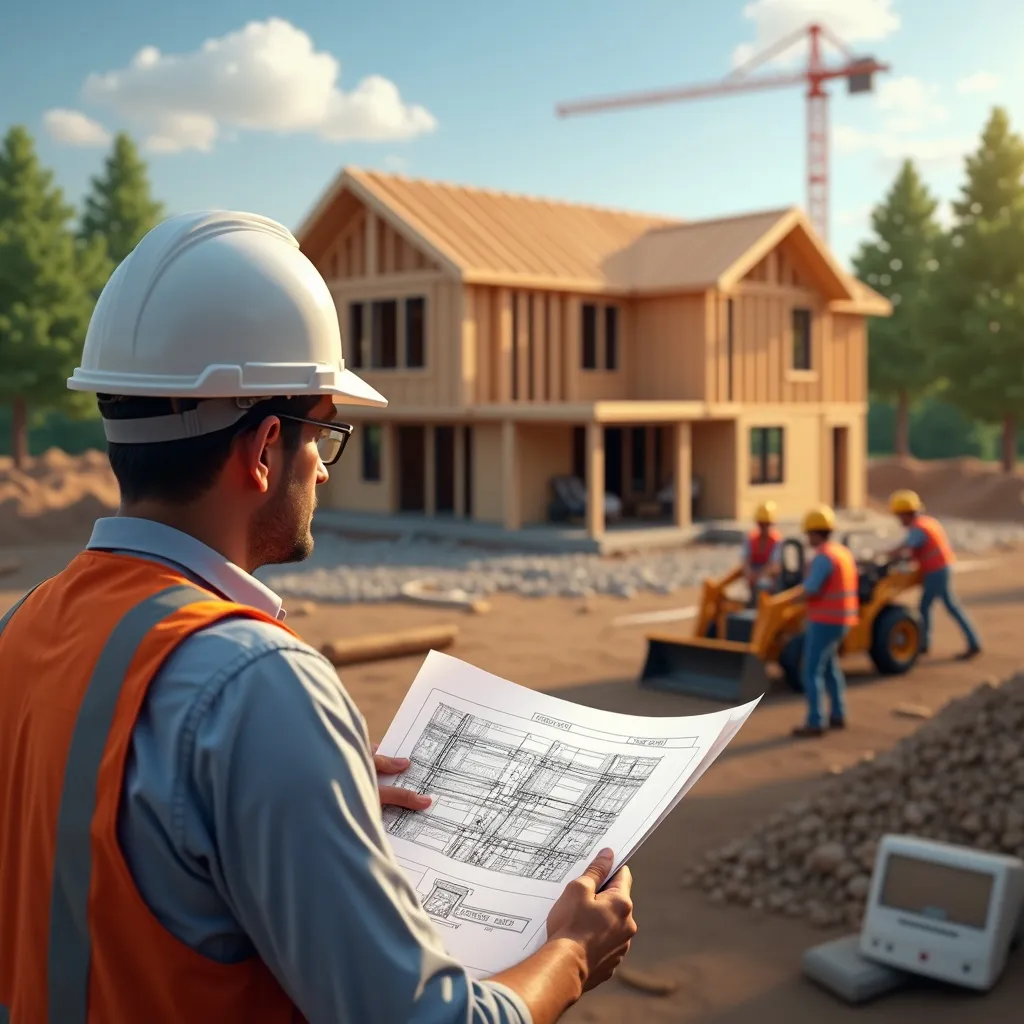
Home builders play a pivotal role in converting visions into actual structures during the construction journey. They function as the link between clients' aspirations and physical buildings, ensuring that each detail aligns with the homeowner's expectations. These professionals have deep expertise of construction techniques, local regulations, and material selection, enabling them to navigate the complexities of building projects effectively.
Comprehending the Design and Planning Process
Directing the planning and design process is vital for any prosperous home building project. An initial consultation lays the groundwork for understanding client needs and expectations, while solid blueprint development guarantees that those ideas are rendered as actionable plans. Together, these elements serve as the foundation of a well-organized construction journey.
Valuing how an initial consultation makes a difference
Successful venture outcomes often depend on the clarity established in the initial consultation between the builder and the client. This meeting acts as a key moment where hopes, plans, and specifications are clearly expressed. Both parties participate in transparent communication, enabling the builder to grasp the client's preferences and lifestyle needs. Moreover, this consultation offers a chance to discuss financial boundaries and timelines, making sure all elements are aligned from the beginning. By nurturing a team-oriented setting, the initial consultation assists in identifying potential difficulties and answers early on. In the end, a detailed and focused discussion establishes the foundation for a successful partnership, steering the project through the following phases of design and execution with mutual agreement and commitment.
Blueprint Building Key Basics
detailed roadmap for construction, detailing dimensions, materials, and layouts. By emphasizing accuracy and clarity during this phase, home builders can ensure a smoother construction process and a finished product that truly captures the client's aspirations.
Essential Services Residential Contractors Provide
Home builders deliver vital offerings that enhance the construction process. Their expertise in design and planning ensures projects satisfy specific needs, while the use of quality construction materials ensures durability. Additionally, customization and personalization options enable homeowners to design spaces that reflect their individual tastes.
Creative and Planning Knowledge
Design and organizational expertise forms the mainstay of any construction task, ensuring that each home is tailored to meet the unique needs of its future occupants. Home builders use specialized teams of architects and designers who collaborate closely with clients to translate their visions into practical blueprints. This process includes evaluating site conditions, understanding local zoning laws, and integrating sustainable practices. Furthermore, builders utilize advanced design software to build detailed models, allowing clients to visualize their homes before construction gets underway. Effective planning also involves project timelines and budgeting, which are necessary for a smooth construction process. By prioritizing design and planning, home builders facilitate a seamless transition from concept to reality, ultimately delivering personalized living spaces that represent individual lifestyles.
High-Grade Building Materials
Constructing a dwelling that endures through the years requires a commitment to high-grade building materials. Home builders focus on obtaining sturdy and dependable materials to ensure structural integrity and durability. This commitment encompasses various components, such as premium wood, weather-resistant roofing, and efficient window installations. Builders often collaborate with trusted suppliers to choose materials that meet industry standards and improve the overall aesthetic appeal of the home. Additionally, the selection of materials impacts upkeep expenses and energy efficiency in the long run. By prioritizing high-grade building materials, builders not only create a strong base but also add to the homeowner's comfort and satisfaction, guaranteeing that the financial commitment stays worthwhile for years to come.
Tailoring and Personalization Capabilities
Establishing a dwelling as a personalized home often rests on the customization options offered by builders. These options enable homeowners to tailor various aspects of their living space, from layout and design to finishes and fixtures. Builders typically supply a range of materials and styles, allowing clients to pick elements that reflect their unique tastes and lifestyles. This process may include choosing cabinetry, flooring, and paint colors, as well as making structural modifications to optimize functionality. Additionally, many builders feature advanced technology integration, ensuring homes are equipped with modern amenities. By focusing on personalization and customization, builders not only boost aesthetic appeal but also create environments that foster comfort and individuality, ultimately leading to a more satisfying homeownership experience.
How Superior Materials Impact Home Building Quality
Quality supplies act as the base of any thriving home construction project. They considerably influence longevity, thermal performance, and overall visual attractiveness. High-quality materials secure that a home can withstand natural pressures, minimizing the likelihood of repairs and maintenance over time. For instance, using superior insulation can enhance thermal efficiency, leading to lower utility bills and improved comfort.
Moreover, the choice of building materials discover more determines the resale value of a property. Homes constructed with superior materials often obtain better prices in the market, indicating their longevity and appeal. Furthermore, premium materials ensure the safety and health of the occupants by lessening risks associated with inferior products, such as mold or structural failures.
In the end, putting money into premium materials is not simply an outlay; it reflects a promise to constructing a durable, stunning, and useful home that fulfills the necessities of its occupants for decades ahead.
Choosing the Perfect Home Contractor for Your Preferences?
How might you establish the finest home builder to address your particular needs? The process gets underway with thorough investigation. Future homeowners should pursue recommendations from loved ones and friends, as well as online reviews, to develop a shortlist of contractors. Assessing the contractor's previous work is vital; inspecting finished projects can expose their approach and quality of work.
Next, property owners should evaluate the builder's credentials, including licenses, insurance, and trade associations, ensuring they comply with local regulations. First appointments offer an occasion to measure verbal abilities and responsiveness, critical characteristics for a effective working relationship. Moreover, discussing timelines and spending limits is important to ensure alignment with expectations.
Finally, connecting with previous customers can offer insights into the builder's reliability and standard of craftsmanship. By following these steps, individuals can identify a residential contractor capable of bring their dream to reality while sticking with their particular needs.
Suggestions for a Streamlined Home Development Process
While opening a home-building experience can be exciting, careful foresight is required to ensure a smooth process. First, setting up a well-articulated budget is paramount; it helps in forming intelligent decisions and prevents overspending. Next, building a extensive timeline assures that all parties are harmonized and aware of pivotal milestones. Exchange plays a significant role; ongoing updates between builders, trade professionals, and homeowners can mitigate lack of clarity.
Additionally, selecting premium materials upfront lowers the likelihood of expensive changes down the road. It is also advisable to stay adaptable; unexpected challenges may arise, and adaptability can reduce stress. Engaging a reliable home inspector during key stages of construction can identify issues early, avoiding complications down the line. Finally, celebrating small achievements throughout the building process can maintain enthusiasm and motivation, rendering the journey more enjoyable. By following these tips, homeowners can manage their building project with greater confidence and ease.
Common Inquired Questions
How Much Time Does the Home Construction Process Usually Take?
The residential building process typically takes six to twelve months, based on various factors such as design scope, permitting, environmental conditions, and operational efficiency. Problems can take place, altering the final schedule greatly.
What Lending Solutions Are Available for New Home Development?
Multiple financing options for new home construction consist of conventional loans, FHA loans, VA loans, and construction-to-permanent loans. Borrowers may also review personal loans or lines of credit, based on their financial situation and project needs.
Can I customize the house layout After Construction Starts?
Yes, homeowners can customize home designs after construction begins, but this may result in additional costs and time delays. Communication with the contractor is essential to understand the practicality and implications of any modifications.
What Coverage Do Home Builders Generally Provide?
Home builders typically present warranties covering structural impairments, construction skill, and materials. These coverage plans often range from one to ten years, confirming assurance from troubles arising shortly after construction and providing peace of mind for homeowners.
How Can Construction Professionals Cope With Unplanned Construction Interruptions?
Builders usually discuss openly with clients regarding unexpected delays, giving updates and new schedules. They look into the causes, put solutions in place, and may offer compensation or changes to keep client satisfaction throughout the construction process.
Comments on “Atlanta Top Home Additions Designed for More Space and Comfort”